

bodyfix99.com

Hip Pain & Mobility Fort McMurray

Sciatica Treatment Fort McMurray

If you’re dealing with hip pain or restricted mobility, you’re probably searching things like:

Hip pain when walking or standing

Pinching at the front of the hip when sitting
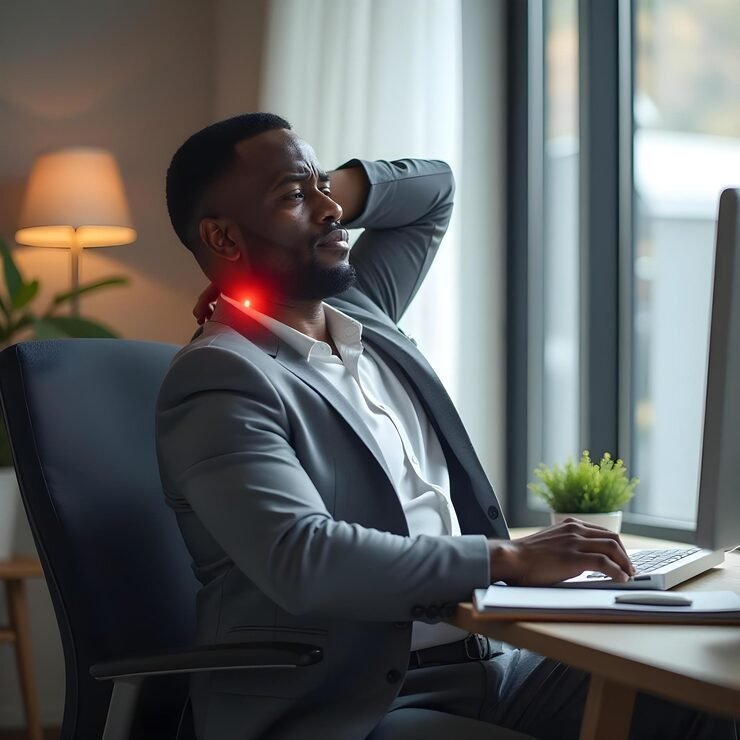
Stiff hips after long hours at a desk or in a vehicle
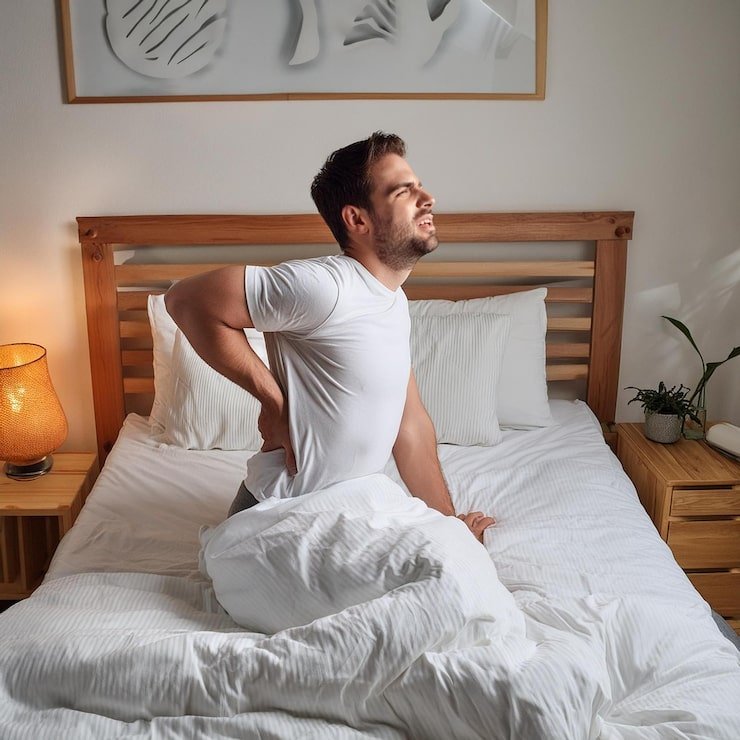
Pain on the side of the hip while sleeping

Tight hip flexors that never seem to release

A hip that feels stuck, uneven, or unstable

Hip pain combined with lower back pain

Clicking or catching in the hip when you move

Hip pain often creeps in quietly. What starts as mild stiffness turns into avoiding stairs, compensating when you walk, or twisting your body just to get in and out of the car. Over time, it’s not just movement that’s affected—it’s your confidence.

And when hip mobility breaks down, the stress rarely stays there. The lower back and knees almost always take the hit.

What Hip Pain Can Feel Like (symptoms people describe online)

Hip pain rarely stays in one spot. People often describe it as:

Pinching or discomfort at the front of the hip or groin, especially when sitting, squatting, or using stairs

Pain along the outer hip, commonly worse when lying on that side or during walking

Deep buttock pain that feels like a tight glute or “piriformis” tension

Stiffness or a locked sensation, particularly noticeable in the morning

Clicking, snapping, or catching within the hip

Tightness during running, training, or long walks

Pain that travels into the knee or lower back

Some people say: “My hip feels jammed.” Others say: “It burns on the outside.” The details matter, because they point to different drivers.

Why hip pain happens (common root causes)

Many hip problems aren’t just about “tight muscles.” They’re often about how the hip is loading and moving. Common contributors include:

Over training (running, squats, dead lifts) with poor hip mobility

Side hip overload (glute tendons) from walking/standing patterns

Stress and nervous system guarding → hips stay tight even at rest

Long hours sitting → hip flexors shorten, glutes under-activate, pelvis shifts

Restricted hip rotation → the hip joint gets irritated and compensates

Poor pelvic control → the hip overworks and becomes painful

Old ankle/knee injuries → the hip changes its mechanics to protect you

Hip pain often travels with low back pain and sometimes “sciatica-like” symptoms because the hip and spine work as a team. When one fails, the other tries to cover.

My approach: restore hip mechanics and the full-body pattern

I’m an Osteopath located in Downtown Fort McMurray. I work with people who need their body to function — office professionals, nurses on long shifts, athletes, trades, factory workers — anyone whose hip pain is affecting work, sleep, and movement. In your 90-minute session, I focus on:

Hip range of motion (rotation, flexion, extension) and what reproduces pain

Pelvis and lower back mechanics (often connected)

Glute function and hip stabilizers (often “offline”)

Movement pattern testing (walking, squatting, stairs)

trigger movements and daily load

Compensation patterns (ankle/knee issues changing how the hip loads)

Then I treat what’s actually driving the restriction and irritation not just where it hurts.

What to expect in your 90-minute session

This session is designed to give you clarity and results:

Detailed assessment

We identify whether your pain is front hip, side hip, glute/deep hip, or mobility loss — and what triggers it (sitting, walking, stairs, gym, sleep).

Hands-on osteopathic treatment

Targeted manual treatment to restore mobility, reduce overload, and normalize how the hip and pelvis move together.

Re-test and confirm

We re-check range of motion and the movement that triggers your pain — so you can feel the change.

A plan that makes it stick

You’ll leave with simple mobility drills and positioning changes tailored to your lifestyle (desk, commuting, training, shift work).

A real-world example (how “hip pain” often starts)

A downtown professional sits long hours. Over time the hip feels tight, then pinches when standing up. They stretch the hip flexors constantly, but the stiffness returns. Assessment often shows restricted hip rotation and pelvic mechanics forcing the hip flexors to overwork. Once mobility and pelvic control improve, the hip stops “pinching,” walking feels smoother, and back strain reduces.

bdevs Info Box Sub Title

When hip pain needs medical evaluation

If you have sudden severe pain after a fall, inability to bear weight, fever, or unexplained swelling, get urgent medical assessment. For most chronic hip pain, early proper assessment can prevent long-term compensation.

Hip pain & mobility support in Downtown Fort McMurray

If your hip feels stuck, painful, or unstable, you don’t need endless stretching — you need the mechanics and loading pattern corrected so your hip can move freely again.

Location: Fort McMurray
BOOK 90 MIN ONLINE: Bodyfix99.com
CALL OR TEXT: 780-335-6705